Evaluating Teacher Class Grade Paper for KDP Publishing and Classroom Organization
For educators, tutors, and self-publishers navigating the Amazon KDP ecosystem, finding reliable interior templates is often a bottleneck in product creation. Teacher Class Grade Paper serves as a foundational asset designed specifically to streamline this process. Rather than being a complex planner or a dated curriculum guide, this resource focuses on the essential utility of grade tracking and record-keeping. Its primary value lies in its versatility across multiple trim sizes and its dual-format delivery system, catering to both digital users and those creating physical low-content books for sale or personal use.
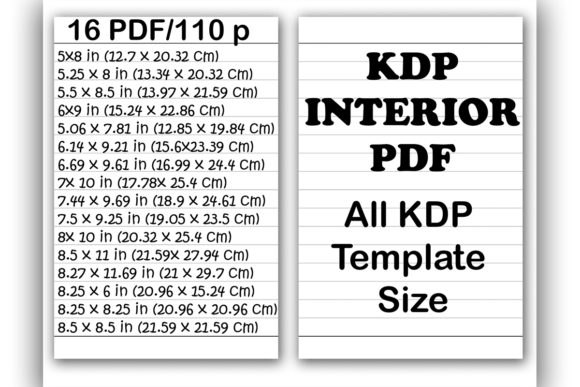
The product distinguishes itself through comprehensive size coverage, including Letter, Half Letter, A4, A5, and 6×9 formats. This breadth ensures that whether you are designing a compact pocket reference for a tutor or a full-sized classroom logbook for a school administrator, the layout proportions remain consistent and functional. For creators focused on passive income streams, the inclusion of pre-formatted 110-page manuscripts ready for KDP upload significantly reduces production time, allowing publishers to focus on cover design and keyword strategy rather than interior formatting mechanics.
Functional Design and Layout Utility
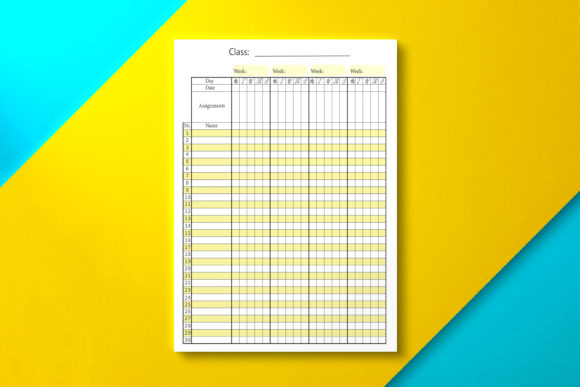
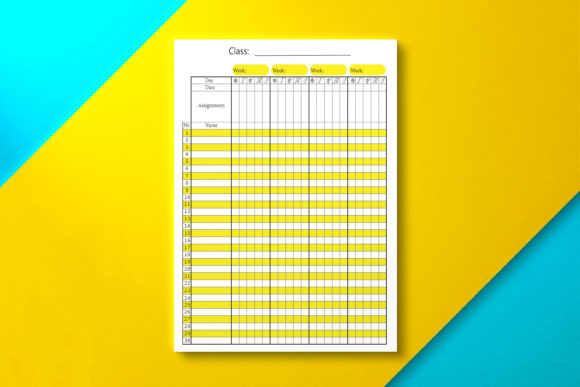
The effectiveness of any grade paper template depends entirely on its information architecture. Teacher Class Grade Paper utilizes a clean, minimalist grid structure that prioritizes data entry speed and legibility. In practical application, this means adequate spacing for student names, assignment titles, and numerical or letter grades without visual clutter. The absence of decorative elements is a deliberate choice; it maximizes ink efficiency for home printing and ensures high contrast for professional offset printing.
From a usability standpoint, the single-page templates serve as excellent master files. Educators who prefer to bind their own resources can print these individually, while digital users can import them into tablet note-taking apps like GoodNotes or Notability. The consistency of the margins across all five supported sizes indicates a professional approach to document setup. Margins are critical in KDP publishing; insufficient gutter space leads to content being swallowed by the binding, while excessive white space wastes valuable real estate. These templates appear calibrated to standard industry bleed and safety zone requirements, reducing the risk of file rejection during the upload process.
Size Versatility and Market Application
Understanding when to deploy specific trim sizes is crucial for both end-users and publishers. The availability of five distinct formats allows for targeted product development:
- Letter (8.5 x 11) and A4: These are the standards for traditional classroom environments. They offer maximum horizontal space for tracking numerous assignments across a semester. For KDP publishers, these sizes appeal to institutional buyers and teachers seeking comprehensive annual records.
- Half Letter (5.5 x 8.5) and A5: These mid-sized options strike a balance between portability and writing space. They are ideal for homeschooling parents, private tutors, or department heads who need to carry records between locations. In the KDP marketplace, A5 and Half Letter journals often see higher engagement due to their perceived manageability.
- 6×9 Inches: This is perhaps the most commercially viable size for low-content publishing. It fits standard bookshelves and bags perfectly. The 110-page 6×9 manuscript included in this package targets the sweet spot for Amazon’s printing costs and royalty structures, making it a strategic choice for entrepreneurs building a catalog of educational resources.
Streamlining the KDP Publishing Workflow
For marketers and creators, the "Ready KDP upload" feature is the primary differentiator of this asset pack. Creating a 110-page interior from scratch involves repetitive formatting, page numbering, and margin verification. By providing pre-assembled PDFs, Teacher Class Grade Paper removes technical friction. However, professionals should approach this convenience with a degree of strategic oversight.
While the interiors are ready for upload, successful KDP products require differentiation. Using the stock 110-page file without modification may result in a product indistinguishable from competitors. Experienced publishers typically use these files as a base layer, adding custom title pages, copyright notices, instructional guides, or periodic review sections to create unique value. The provided templates function best as a structural skeleton upon which a unique brand identity can be built. This approach maintains the time-saving benefits of pre-made interiors while satisfying Amazon’s quality standards regarding duplicate content.
Furthermore, the PDF format ensures cross-platform compatibility. Unlike editable Word or InDesign files which can suffer from font substitution or layout shifting when opened on different machines, PDF preserves the exact geometry of the grade tables. This reliability is essential when preparing files for print-on-demand services where precision is non-negotiable.
Practical Considerations for Educators and Administrators
Beyond publishing, the direct utility for teaching professionals warrants examination. Record-keeping is a compliance requirement in many educational jurisdictions, yet few teachers enjoy the administrative burden. Teacher Class Grade Paper offers a standardized solution that can be adopted across departments or grade levels. When an entire school utilizes the same grading template, data transfer during student transitions becomes more seamless, and substitute teachers can interpret records without confusion.
For homeschoolers and freelance educators, the flexibility to choose between digital and physical formats supports varied pedagogical approaches. Some students benefit from the tactile feedback of writing grades on paper, while others prefer the searchability of digital records. Having access to the same layout in both contexts allows for hybrid workflows. A tutor might track daily progress on a tablet using the A5 single-page template, then compile final term reports using the printed Letter version for parent conferences.
Quality Assessment and Potential Limitations
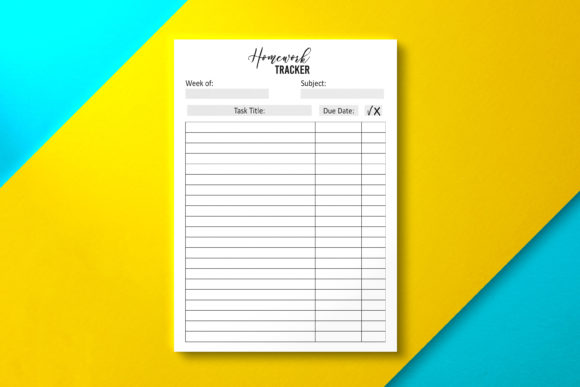
Objective evaluation requires acknowledging where a product may not fit specific needs. Teacher Class Grade Paper excels at structured, tabular data entry but lacks specialized features found in niche alternatives. There are no integrated attendance trackers, behavior logs, or weighted grade calculation zones within the base template. Users requiring multifunctional classroom management tools will need to supplement this resource or seek a more complex all-in-one planner.
Additionally, the static nature of the PDF means that column counts and row heights are fixed. If your grading system requires wider columns for narrative feedback or additional rows for larger class sizes, the current layout cannot be adjusted without vector editing software or recreating the table manually. Publishers targeting specific niches, such as music teachers or special education providers, should verify that the generic grid aligns with their unique data points before committing to the 110-page bulk file.
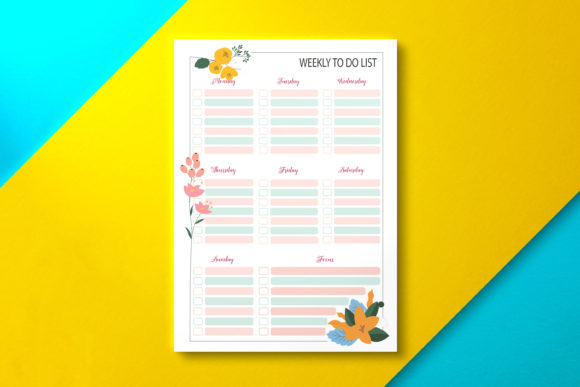
From a presentation perspective, the aesthetic is strictly utilitarian. While this aids clarity, some consumer segments associate visual design with perceived value. For KDP sellers, investing in a professionally designed cover is mandatory to compensate for the simplicity of the interior. The interior provides the function; the exterior must provide the emotional hook. Relying solely on the functional adequacy of the grade paper without strong packaging will likely result in lower conversion rates in a saturated marketplace.
Strategic Recommendations for Implementation
To maximize return on investment, users should categorize their intent before utilizing these files. For personal or institutional use, test the single-page versions first. Print a sample, write in it with your preferred pen or stylus, and evaluate the ergonomics over a week of actual use. Confirm that the cell size accommodates your handwriting and that the paper orientation matches your desk setup.
For KDP publishers and digital product creators, treat the 110-page files as raw materials. Conduct keyword research to identify underserved sub-niches within the teacher grade book category. Consider bundling the grade paper with complementary resources, such as lesson planning templates or student certificate generators, to increase average order value. Always run a proof copy through KDP’s previewer tool to verify margins and bleed settings, even when using pre-formatted files, as platform specifications can change without notice.
Ultimately, Teacher Class Grade Paper represents a competent, no-frills infrastructure resource. It solves the immediate problem of layout creation and size adaptation effectively. Its worth is determined not by innovative features, but by how reliably it integrates into existing workflows. For professionals who view grading documentation as a standardized process rather than a creative endeavor, this asset pack delivers necessary efficiency. Success depends less on the template itself and more on the strategic application of the tool within a broader educational or publishing context.