Optimizing Your Publishing Workflow with Lined Graph Paper Blue Templates
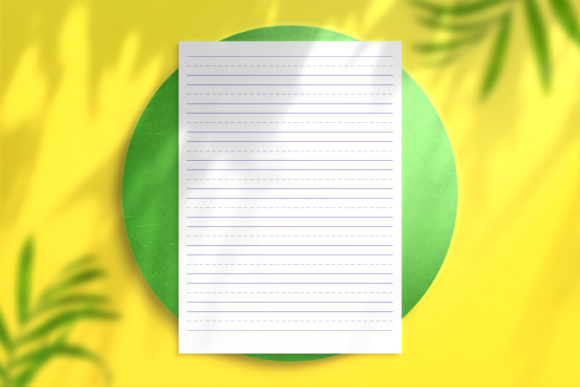
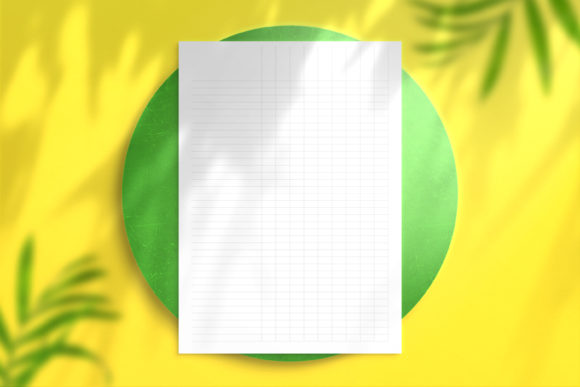
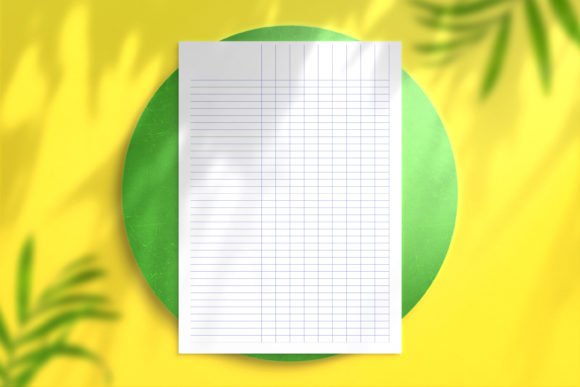
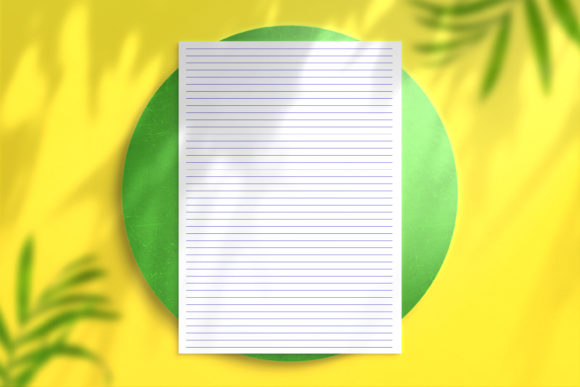
For self-publishers, educators, and digital planners, the search for the perfect interior often ends in frustration. You find a grid, but the lines are too dark. You find a notebook template, but it lacks the structural guidance of graph paper. The solution lies in specialized hybrid layouts, specifically Lined Graph Paper Blue. This unique format combines the horizontal guidance of ruled paper with the vertical precision of a grid, all rendered in a soft blue hue that is both aesthetically pleasing and functionally superior for scanning and printing.
When sourcing or creating these assets for commercial use, particularly for Amazon KDP or Etsy digital downloads, understanding the technical specifications is just as important as the visual design. A comprehensive product file package typically includes single-page masters and bulk 100-page manuscripts across standard sizes like Letter, Half Letter, A4, and A5. This versatility ensures that whether you are designing a compact field journal or a full-sized academic workbook, the foundation is ready for immediate deployment.
The Functional Advantage of Blue Hybrid Grids
Why choose blue over traditional black or gray? The answer lies in visual hierarchy and reproduction quality. Black graph lines can sometimes compete with handwritten text or printed content, making the page look cluttered. Gray lines, while subtle, can disappear entirely during low-quality printing or aggressive scanning. Lined Graph Paper Blue strikes an optimal balance. The color provides enough contrast to guide handwriting and sketching without overwhelming the user's content.
From a technical publishing standpoint, blue ink offers distinct advantages. When users scan their completed notes to digitize them, many scanning apps and software algorithms can filter out specific color channels. A well-calibrated blue line often acts as a "non-photo blue," allowing the digital version to retain only the darker pencil or pen marks while rendering the grid invisible. This makes blue-lined graph interiors highly desirable for architects, designers, and students who frequently transition between analog and digital workflows.
Navigating Standard Paper Sizes for Global Markets
A critical factor in commercial success is offering the right size for the right market. A "one-size-fits-all" approach rarely works in the stationery niche. Professional template packs address this by providing distinct files for each major format:
- Letter Size (8.5 x 11 inches): The standard for the North American market. This size is essential for textbooks, comprehensive workbooks, and office-based planning journals. The larger canvas allows for wider margins and more spacious grid intervals, making it ideal for detailed technical drawings or extensive note-taking.
- Half Letter (5.5 x 8.5 inches): Gaining massive popularity in the personal planning community. This size is exactly half of a standard Letter sheet, making it economical to print and perfect for portable organizers. It bridges the gap between a pocket notebook and a full-sized journal, offering ample writing space without the bulk.
- A4 (210 x 297 mm): The international standard outside of North America. If you plan to sell on global marketplaces or target European and Asian demographics, A4 is non-negotiable. Its slightly taller and narrower profile compared to Letter changes the pagination dynamics, requiring dedicated formatting to maintain proper margins.
- A5 (148 x 210 mm): The quintessential journal size. A5 is the most popular format for KDP low-content books because it feels substantial yet portable. For Lined Graph Paper Blue, A5 offers a dense, satisfying grid that appeals to bullet journalists and travelers.
Commercial Readiness and KDP Compliance
Having a pretty PDF is not enough for commercial publication. Platforms like Amazon KDP have strict automated checks that reject files for minor infractions. A high-quality Lined Graph Paper Blue product file must be pre-validated for these requirements. This goes beyond simple dimensions; it involves bleed settings, margin safety zones, and resolution.
For a 100-page lined graph sheet manuscript ready for commercial use, the file should ideally be formatted with bleed if the grid extends to the edge of the page. Even if you intend for a no-bleed book, having the option or a correctly formatted no-bleed version prevents white borders from shifting during the trimming process. Furthermore, the blue color values must be consistent. Using a specific CMYK or RGB value that has been tested for grayscale conversion is vital, as KDP’s black-and-white printing can interpret colors unpredictably. Premium templates often specify the exact hex or CMYK code used, ensuring that what you see on screen matches the physical proof.
Single-Page Masters vs. Bulk Manuscripts
Versatile product bundles usually include two distinct types of files, each serving a different purpose in the creation workflow. Understanding when to use which can save hours of production time.
1-Page Master Files: These are your design anchors. Whether in Letter, Half Letter, A4, or A5, the single-page PDF serves as the editable source or the reference point. Designers use these to create custom covers, add headers and footers, or modify the grid density before generating a full book. They are also useful for selling individual printable sheets on platforms like Etsy, where customers may only want a few pages for immediate home printing.
100-Page Ready-to-Upload Manuscripts: These are the workhorses of passive income. Pre-paginated and formatted, these files allow publishers to upload a complete interior in minutes. However, quality matters here. A professional 100-page file will have alternating margins (mirror margins) to account for the gutter. The grid alignment on left-hand pages must perfectly mirror right-hand pages so that when the book is opened flat, the pattern remains continuous. This attention to detail distinguishes a premium commercial asset from a free amateur download.
Practical Applications Across Niches
The utility of Lined Graph Paper Blue extends far beyond simple math homework. Its hybrid nature opens up diverse monetization and usage opportunities.
In the educational sector, this paper supports STEM learning where students must draw diagrams alongside written explanations. The horizontal lines keep text neat, while the vertical grid helps scale graphs and geometric shapes accurately. Teachers often prefer blue lines because they are less distracting for neurodivergent students who may experience visual stress with high-contrast black grids.
For the creative and planning community, this format is a staple in bullet journaling and habit tracking. Users can draw custom trackers that align perfectly with the grid while still having the option to write long-form reflections on the same page. The blue aesthetic is frequently associated with calmness and focus, making it a preferred choice for mindfulness journals and wellness planners.
In professional and technical fields, engineers and architects use this paper for field notes where precision sketches need to be annotated. Unlike pure graph paper, the lined aspect encourages legible documentation. Unlike pure lined paper, the grid ensures that schematics remain proportional. This dual functionality makes it a valuable tool for site inspections, lab notebooks, and design prototyping.
Key Considerations Before Purchasing or Creating
Whether you are buying a template pack to start a publishing business or designing your own, evaluate the following factors to ensure long-term viability:
- Grid Density: Does the template offer multiple spacing options? A 5mm grid is standard for A4/A5, while 0.25-inch or 0.5-inch grids are common for Letter sizes. Having variety allows you to target different age groups and use cases.
- Line Weight Consistency: Zoom in to 400%. Are the lines crisp vectors or pixelated raster images? Vector-based PDFs ensure sharp printing at any size and smaller file sizes, which is crucial for meeting KDP upload limits.
- Licensing Clarity: Verify the commercial rights. "Ready Commercial Use" should explicitly state that you can publish unlimited copies, modify the design, and sell the end product. Avoid licenses that restrict the number of units or require attribution on the copyright page.
- Color Profile: Confirm if the blue is optimized for B&W printing or intended for color interiors. Some blues turn muddy gray in standard printing, while others are engineered to remain distinct yet subtle. Testing a sample print is always recommended before launching a full series.
Ultimately, Lined Graph Paper Blue represents a sophisticated intersection of form and function. By leveraging properly formatted files across Letter, Half Letter, A4, and A5 sizes, creators can produce high-quality, commercially viable stationery products that meet real-world needs. The availability of both single-page masters and 100-page manuscripts streamlines the path from concept to shelf, allowing publishers to focus on marketing and niche research rather than tedious formatting. In a saturated market, the difference between a mediocre notebook and a bestseller often comes down to these foundational details.